
Vito Bratta's net worth is most credibly estimated somewhere between $1 million and $4 million as of 2025, with the most likely figure sitting in the $1.5–$2.5 million range when you apply conservative assumptions about royalty income from his White Lion catalog. The wide spread across sites reflects a genuine lack of public financial records, not a disagreement about facts. His wealth is almost entirely driven by songwriting royalties and music rights ownership through his company Vavoom Music, Inc., not by an active performance or business career.
Vito Bratta Net Worth: Estimate, Sources, and How to Verify

Marcus Rothwell
15 May 2026
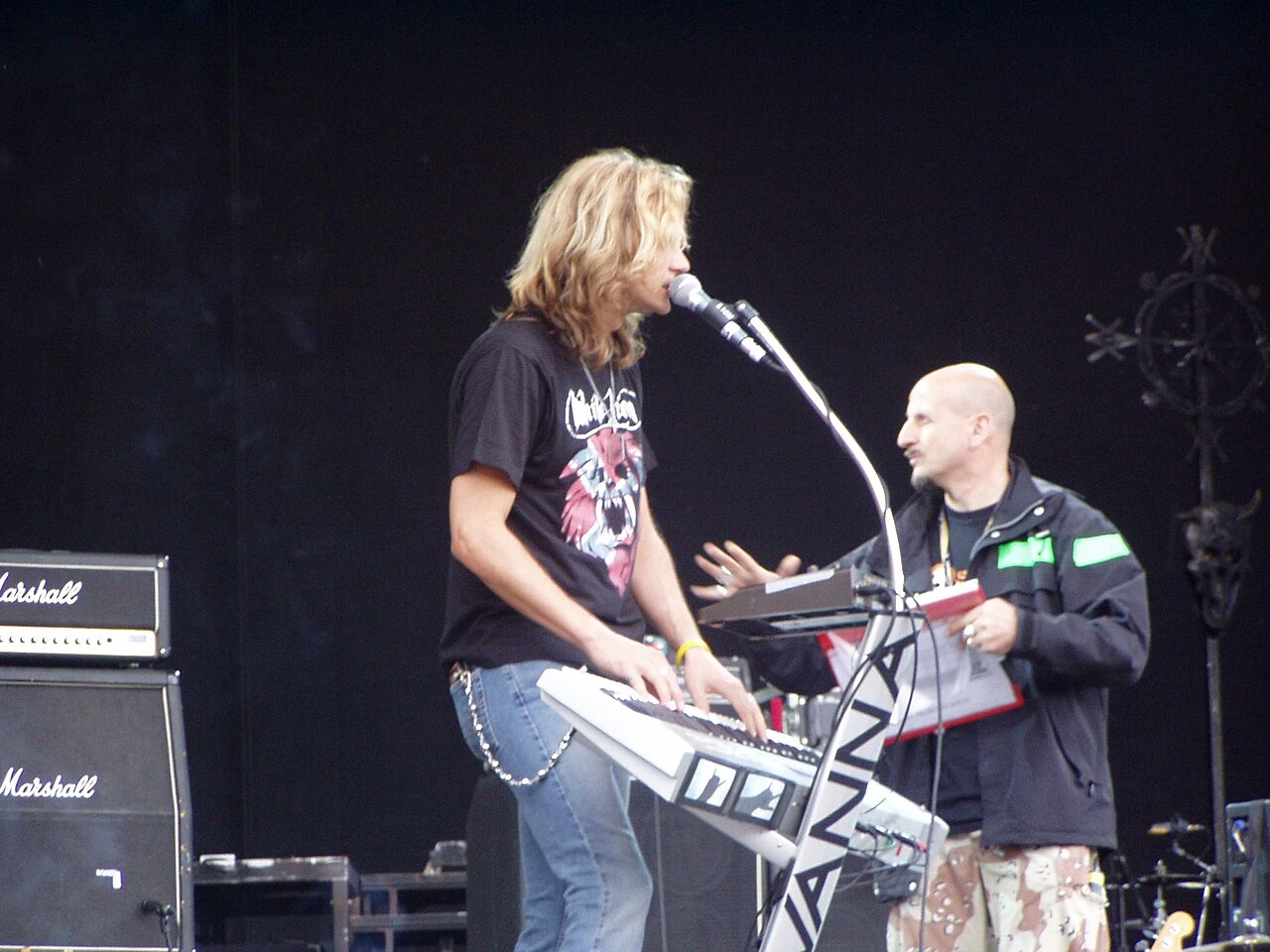
Which Vito Bratta are we talking about?

The Vito Bratta generating search traffic is the American guitarist and co-songwriter born July 1, 1961, in Staten Island, New York, who co-founded the glam metal band White Lion with vocalist Mike Tramp in 1983. That's the person indexed by Wikipedia and IMDb. He has no significant public profile outside his music career, so there's no meaningful risk of confusing him with another public figure of the same name.
One minor confusion worth flagging: IMDb categorizes him under an 'Actor' header alongside his musician biography. That's a platform indexing quirk, not evidence of an acting career. Any net-worth site that scrapes IMDb categories mechanically could misattribute earnings from an unrelated person named Vito Bratta, so it's worth keeping that in mind when evaluating estimates from aggregator sites.
The net worth estimate: a range with honest confidence levels
Two frequently cited sites land at very different numbers. CelebsMoney reports a range of $100,000 to $1 million, while Cine Net Worth (last updated July 18, 2025) puts the figure at approximately $4 million. This is why estimates of Vito Errico Net Worth often swing widely depending on assumed royalty performance and catalog value $4 million. The gap is enormous, and neither site links to verifiable balance-sheet data, property filings, or financial disclosures. That tells you something important: both numbers are estimates built on assumptions, not documented facts.
| Source | Estimate | Methodology Basis | Confidence Level |
|---|---|---|---|
| CelebsMoney | $100,000–$1M | General musician heuristics, no cited documents | Low |
| Cine Net Worth (July 2025) | ~$4M | Royalties and sporadic music projects, no filed financials cited | Low-Medium |
| This site's working estimate | $1.5M–$2.5M | Conservative royalty income modeling, rights ownership via Vavoom Music | Medium (low certainty) |
The $4 million figure assumes healthy, ongoing royalty income from a catalog that peaked commercially in the late 1980s. Vito Bratta net worth estimates typically hinge on how much White Lion catalog income his company Vavoom Music, Inc. continues to generate. The $100,000–$1 million figure likely applies a blanket low-certainty discount for musicians with no documented current income. A middle-ground estimate of $1.5–$2.5 million feels defensible if you assume Vavoom Music, Inc. has continued licensing White Lion songs over the past three decades, but that assumption carries genuine uncertainty. Treat this as a working range, not a confirmed figure.
How the estimate is calculated

Because Bratta has released no music since 1992 and maintains a very low public profile, there are no salary disclosures, no publicly traded company filings, and no real estate records that have surfaced in reporting. IMDb’s biography likewise describes Vito Bratta as White Lion’s former guitarist and main songwriter and notes that he has not released music since 1992 has released no music since 1992. The methodology for any estimate here has to work backward from what we do know.
The core assumptions are: White Lion had genuine commercial success during the late 1980s, producing albums including Pride (1987) and Big Game (1989) during the peak of MTV-era glam metal. Bratta co-wrote the majority of the band's material with Mike Tramp. When Tramp sold his share of the catalog in the mid-1990s, the rights transferred to Bratta's company Vavoom Music, Inc., making Bratta the likely controlling rights holder for at least a portion of the White Lion catalog. Published credits on releases explicitly name 'Vavoom Music, Inc. A Shuga Records product listing for the single “When The Children Cry / Lady Of The Valley” also credits “Published By , Vavoom Music, Inc.” and lists songwriters as Mike Tramp and Vito Bratta Published By – Vavoom Music, Inc.. ' as the publishing entity. Ongoing licensing of those songs for streaming, sync placements, and compilation releases would generate royalty income, even if modest.
The rough math: if the White Lion catalog earns even $50,000–$100,000 per year in combined performance, mechanical, and sync royalties, and that income has been relatively consistent for 20 to 30 years, the accumulated net worth (after taxes, living expenses, and any business costs) could reasonably sit in the low-to-mid seven figures. The $4 million estimate implies either higher royalty income or additional undisclosed assets. The lower CelebsMoney figure probably discounts the catalog value heavily due to the band's dated commercial profile.
Where his money comes from
White Lion royalties and catalog ownership

This is the primary income driver. As the main songwriter for White Lion and the apparent controlling interest behind Vavoom Music, Inc., Bratta holds rights to songs that were genuine radio and MTV staples, most notably 'When the Children Cry.' That song in particular has had sustained streaming and licensing longevity far beyond the band's active period, which matters for royalty income calculations. The Vavoom Music publishing credit is documented on physical releases, confirming this is not speculative.
Vavoom Music, Inc. as a rights vehicle
Vavoom Music functions as Bratta's music publishing and rights licensing company. Its existence is confirmed by multiple sources: the Wikipedia White Lion entry, a federal lawsuit Bratta filed in 2013 (case no. 2:2013cv06950) as 'Vito Bratta individually doing business as Vavoom Music,' and physical release credits. This company structure is how most legacy musicians manage catalog income, and it's the clearest documented financial asset tied to Bratta's name.
Sporadic music-related projects
Cine Net Worth references 'sporadic music-related projects' as a secondary income source. There's no detailed public documentation of what these are, so this should be treated as a minor, uncertain contributor rather than a significant wealth driver. With no documented touring income, no solo releases, and no confirmed endorsement deals, the catalog is almost certainly where the bulk of any ongoing income originates.
Assets and liabilities worth knowing about
The most significant documented asset is the ownership stake in the White Lion catalog through Vavoom Music, Inc. Music catalogs are increasingly valued as financial assets, particularly songs with sustained streaming relevance. 'When the Children Cry' has a decades-long tail of placements and covers that supports ongoing valuation.
On the liability side, the 2013 federal lawsuit against Cleopatra Records (Vito Bratta v. Cleopatra Records Inc et al) is worth noting. The case involved a rights dispute over White Lion material. The docket shows a stipulated dismissal with prejudice filed in June 2014, meaning the case ended without a public damages award. It's impossible to know from public records whether the settlement involved a payment to Bratta, a payment from Bratta, or simply a mutual walk-away. What it does confirm is that the licensing rights to White Lion material were contested and commercially significant enough to litigate.
No real estate holdings, investment portfolios, or significant liabilities have been documented in public reporting. This isn't unusual for someone who has maintained a very private life since the early 1990s, but it does mean the liabilities column in any net worth calculation is largely a blank.
Why different sites give such different numbers
The gap between $100,000 and $4 million comes down to how each site treats the unknown variables. Legacy musician net worth estimates are notoriously unreliable for a few structural reasons.
- No public financial disclosures: Unlike executives at public companies, musicians don't file income statements. Everything is estimated from career history and assumed royalty rates.
- Catalog valuation is invisible: The value of Vavoom Music's catalog depends on licensing activity, streaming numbers, and sync placements that aren't publicly reported. One estimator might assign the catalog significant value; another might ignore it entirely.
- IMDb category confusion: Bratta appears under an 'Actor' label on IMDb, which could cause automated scraping tools to pull in unrelated earnings data from a different person named Vito Bratta.
- No recent interview or income data: Bratta has given no documented public interviews or financial disclosures in decades, so there's nothing to anchor estimates to current reality.
- Methodology differences: CelebsMoney appears to use a conservative baseline for musicians with low public profiles. Cine Net Worth applies a higher royalty income assumption. Neither publishes their exact methodology.
For context, this kind of divergence isn't unique to Bratta. For more examples of how net worth sites can diverge across similar entertainment profiles, see vito antuofermo net worth. You'll see similar gaps when looking at other legacy musicians and niche entertainers whose income is dominated by catalog rights rather than active, visible careers. The honest answer is that nobody outside Bratta's own accountant knows the real number.
How to verify this number yourself

If you want to do your own due diligence on the estimate, here's where to look and what signals to check.
- ASCAP or BMI public databases: Search for Vito Bratta or Vavoom Music as a publisher. These performing rights organizations list registered works, which confirms which songs are actively collecting performance royalties. The presence of White Lion songs in these databases is a strong signal that royalty income is real and ongoing.
- U.S. Copyright Office records (copyright.gov): Search 'Vavoom Music' or 'Vito Bratta' to see what catalog is registered and when registrations were filed or transferred. This can confirm ownership scope.
- PACER (federal court records): The Cleopatra Records lawsuit (case no. 2:2013cv06950, Central District of California) is publicly accessible. You can review the full docket to see whether the settlement terms were filed publicly.
- Spotify and streaming platforms: Search White Lion on Spotify and check monthly listener counts and catalog activity. High streaming numbers on songs like 'When the Children Cry' directly support the royalty income assumption.
- Business entity searches: Search for 'Vavoom Music Inc' in New York state business records (dos.ny.gov) to confirm the company's current status, registered agent, and any publicly filed documents.
- Property records: Search for Vito Bratta in Staten Island, New York property records through the NYC Department of Finance (nyc.gov/finance) to check for documented real estate assets.
- Cross-check net worth sites critically: When you see a number on a celebrity net worth aggregator, look for whether they cite specific income events (album sales, lawsuits, deals) or just state a round number. Round numbers with no sourcing are almost always algorithmic estimates, not research.
One important distinction to keep in mind: net worth is not the same as annual income. Bratta may earn a relatively modest royalty income each year but hold accumulated assets (the catalog itself, any savings, property) that produce a higher net worth figure. Conversely, a musician with a high-profile year of touring might have high income but low net worth if expenses and taxes consume most of it. The catalog ownership model Bratta uses through Vavoom Music is a long-duration, lower-intensity wealth accumulation strategy, which is why the low-end estimates may significantly undercount the asset value even if current cash flow looks modest.
Career timeline and what could change the number
Bratta's active commercial period runs from 1983 to 1992, centered on four White Lion studio albums. The peak was Pride (1987) and Big Game (1989), both released during the height of glam metal's mainstream moment. White Lion disbanded in the early 1990s, and Bratta has not released music publicly since 1992. His entire financial profile for the past 30-plus years is essentially a royalty story, not an active career story.
Things that could change the estimate upward: a catalog sale (music catalog acquisitions have been extremely active since 2020), a White Lion tribute or reissue campaign, confirmed sync placements in major film or television, or any new public music project. Things that could push the estimate downward: legal disputes over rights, changes in streaming royalty rates, or evidence that the Vavoom Music catalog has less commercial activity than assumed. Given the complete absence of public information from Bratta himself, any major update to this estimate would likely come from an external event, not a disclosure.
Among the broader category of legacy figures in this space, Bratta's profile is genuinely unusual: a commercially successful songwriter who has maintained near-total public silence for more than three decades while presumably collecting royalty income through a documented publishing entity. For more context on Vito Bratta’s earnings and assets, see the latest analysis of the Vito Frijia net worth claim legacy figures. That makes him harder to estimate than most, and anyone claiming precision on this number should be viewed skeptically. When people search Vito Iacopelli net worth, they are usually looking for this same kind of royalty-and-catalog based estimate, but it depends heavily on verifiable rights data.
FAQ
How can I roughly sanity-check a “Vito Bratta net worth” estimate using royalties instead of guessing totals?
Start with a plausible annual royalty range for a legacy glam catalog, then work backward to assets. For example, if you assume combined performance, mechanical, and sync income of tens of thousands per year, multiply by 20 to 30 years, then subtract a rough haircut for taxes and business costs. This gives you a ballpark that you can compare to whether a site’s number implies unrealistically high or low catalog earnings.
Do net worth sites confuse “annual royalty income” with “net worth,” and how should I read their numbers?
Yes, many do. A low cash-flow year does not mean low net worth if the catalog has accumulated value and is held as an asset. Treat any estimate as a snapshot that could reflect long-term rights value, not just current royalties.
What evidence would most increase the estimate above $2.5 million?
The estimate usually rises with externally confirmable increases in rights value, such as a verified catalog sale, a large sync placement tied to White Lion publishing entities, or documentation that Vavoom Music controls a larger share of specific masters or publishing than previously assumed. Without that, higher numbers are mostly assumption-driven.
What evidence would most likely lower the estimate below the $1.5 million to $2.5 million range?
Documented rights complications that reduce royalty entitlements, such as additional litigation outcomes affecting ownership percentages, or evidence that licensing activity has materially slowed for the catalog. Changes in streaming royalty rates can also compress income, but they rarely explain big drops by themselves unless accompanied by reduced placements.
Why does the lawsuit with Cleopatra Records matter for “Vito Bratta net worth” even though there was no public damages award?
Because the very existence of a contested rights dispute suggests the material had commercial leverage. However, without settlement terms, you cannot assume Bratta gained or lost money. The safe takeaway is that rights to at least some White Lion material were valuable enough to litigate.
Could IMDb’s “Actor” categorization inflate or misdirect net-worth claims?
It can, if an aggregator scrapes categories mechanically and links them to the wrong person or assumes an acting income stream. The article already flags this indexing quirk, so when you see acting-related earnings in a “Vito Bratta net worth” breakdown, verify whether the figures are actually tied to music publishing activity.
Is it possible that Vito Bratta net worth estimates are missing other income sources besides catalog royalties?
Yes, but they are likely small relative to the catalog unless you can confirm additional revenue. The article mentions sporadic music-related projects as uncertain, so a practical approach is to treat secondary claims as unweighted unless there is documentation of new releases, major licensing deals, or a clearly identifiable business activity.
How can I verify whether Vavoom Music, Inc. is truly the relevant rights holder behind the estimates?
Look for consistency between publishing credits on releases and how royalty collection is described in rights documentation tied to White Lion tracks. If multiple releases list Vavoom Music, Inc. as the publishing entity, that alignment supports the core assumption that royalties flow through Bratta’s company rather than to an unrelated party.
If Vito Bratta has released no music since 1992, what kind of events would show up first in net worth estimates?
The first signals usually come from external licensing events, not new albums. Examples include confirmed sync placements (film, TV, or games), reissue campaigns that renew licensing demand, or any transaction news indicating catalog acquisition or increased rights valuation. Those tend to precede large jumps in online net worth estimates.
How should I handle currency and “as of 2025” wording when comparing net worth ranges?
Be cautious with “as of” claims, because sites often update methodology without stating it. Use relative comparisons instead of precision, for example whether one estimate is consistent with moderate versus aggressive catalog earnings assumptions. Also expect that inflation adjustments are not reliably applied across sites.