
As of June 2026, Vincenzo Nibali's estimated net worth sits in the range of $10 million to $15 million USD, with some aggregator sites citing figures as low as $6 million and others implying higher. The most defensible range comes from combining documented salary reporting (peak contracts reportedly between €2.1 million and €3.7 million per season), confirmed Grand Tour prize payouts, and a cluster of post-retirement brand ambassador roles that are still active today. No official disclosure exists, so every published figure is an estimate built on public evidence, not audited accounts.
Vincenzo Nibali Net Worth Estimate: Income, Methods, Updates

Marcus Rothwell
17 Jun 2026
What the estimate actually includes

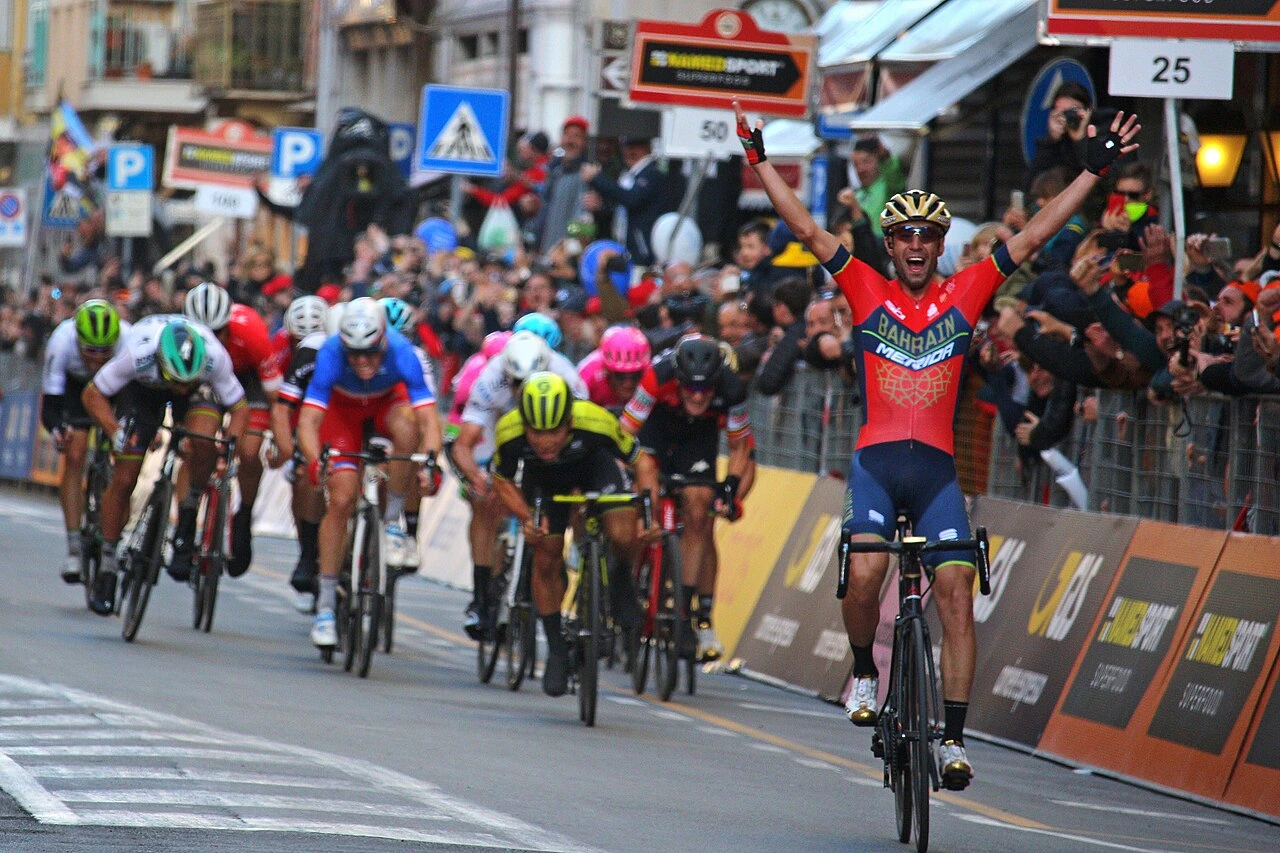
Before diving into the number, it helps to be precise about who this covers. Vincenzo Nibali (born 14 November 1984 in Messina, Sicily) is an Italian former professional road cyclist who raced from 2005 to 2022. He is one of only a handful of riders to have won all three Grand Tours, taking the 2010 Vuelta a España, the 2013 and 2016 Giro d'Italia, and the 2014 Tour de France. He is not to be confused with his brother Antonio Nibali, who is also a professional cyclist with separate earnings and a much lower public profile. Any search loosely combining the Nibali name with financial queries should be checked for that disambiguation.
The net worth range of $10 million to $15 million attempts to account for four main buckets: career salary across roughly 17 professional seasons, cumulative race prize money, endorsement and sponsorship income during his peak years, and post-retirement consulting and ambassador work. It does not include speculative personal investments, real estate, or private business stakes because no reliable public data on those exists. Where data is uncertain, the estimate uses conservative assumptions.
Where the money came from: Nibali's income streams
Team salaries and contracts

Nibali's career took him through Fassa Bortolo, Liquigas-Cannondale, Astana, Bahrain-Merida, Trek-Segafredo, and Astana again before retirement. Salary data in professional cycling is almost never officially disclosed, but reported figures give a workable range. During his Astana years (2013 to 2016), one widely cited figure pegged his annual pay at roughly €3 million. For his Trek-Segafredo stint (2020 and 2021), OA Sport reported competing estimates: one figure around €3.7 million per year and another closer to €2.1 million per season, with SBS Sport citing a rumored €3 million per year. That spread across three Italian and international sports outlets shows exactly how imprecise salary reporting can be, but it also anchors the realistic range. Even using the lower bound, a rough average of €2 to 3 million per season across his peak 10 years of top-team employment represents €20 to 30 million in gross earnings before tax, agent fees, and cost of living.
Race prize money
Prize money in professional cycling is public in principle but complicated in practice. Team bonuses and individual rider shares are often split internally, and the rider's take is rarely disclosed. What we do know: Nibali's Astana squad earned €539,630 for the 2014 Tour de France overall win, a figure corroborated by Le Dauphiné Libéré, Cyclingnews, and WielerFlits. WielerFlits reports that Astana earned €539,630 for the 2014 Tour de France overall win, corroborating the hard anchor point used here. How much of that flowed personally to Nibali depends on his team contract's prize-sharing clause, which is private. Add stage win bonuses across four Grand Tour victories, multiple podium finishes, and single-day classic results tracked on ProCyclingStats, and a conservative total prize-money contribution to career earnings probably falls in the range of €2 to 4 million gross, with the actual personal share being a fraction of that.
Endorsements and sponsorships
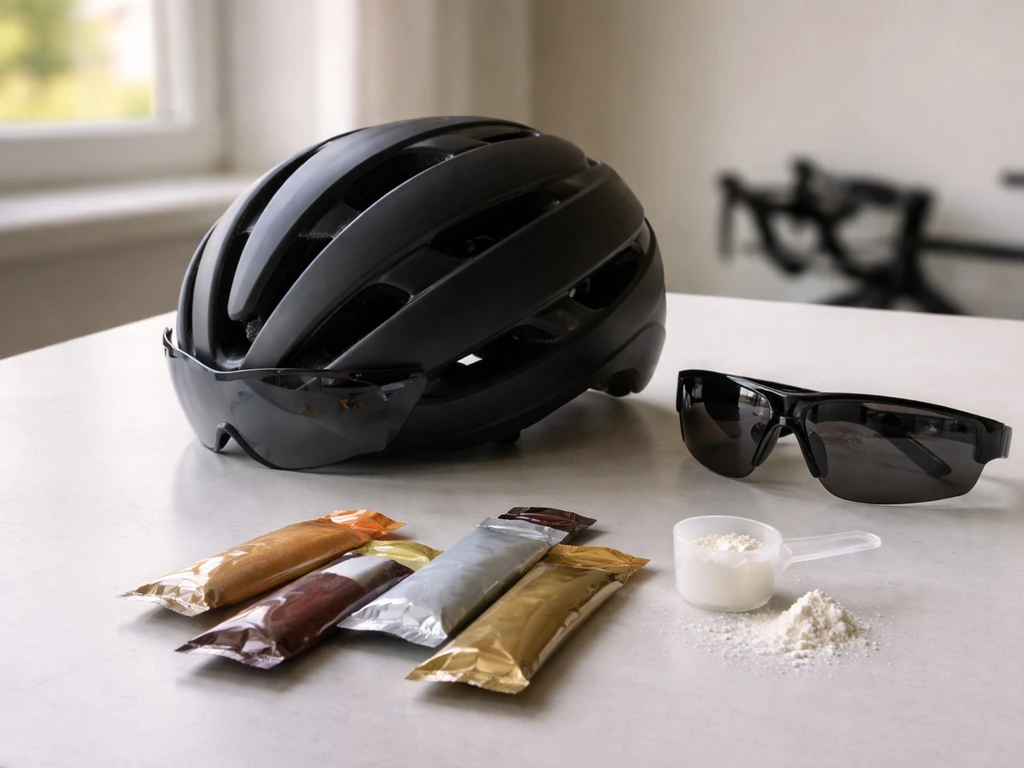
At his peak, Nibali held endorsement deals with several brands. Confirmed publicly documented partnerships include ABUS (cycling helmets and security products), NAMEDSPORT nutrition, and a banking brand relationship with Crédit Agricole Italia. These are not celebrity mega-deals of the kind you see in football, but for a top-tier cyclist they are meaningful income lines. Individual deal values are not published, but mid-tier athlete ambassador deals of this type typically run in the low to mid six figures annually. Multiplied across several concurrent deals over a decade, the endorsement bucket likely added a few million euros to career earnings.
Post-retirement roles
Nibali retired from competitive racing at the end of 2022. Since 2023, he has been officially named Brand Ambassador and Technical Advisor for the Q36.5 Pro Cycling Team, confirmed by Q36.5's own communications and reported by L'Équipe. This is a real, documented income stream, not just an honorary title. The financial terms have not been disclosed, but it represents ongoing earning capacity beyond his racing years. Post-retirement advisory and ambassador roles like this are common among Grand Tour champions and help sustain net worth estimates rather than letting them erode after a salary cutoff.
How the estimate is built: sources and honest uncertainty
Estimating an athlete's net worth without access to their tax returns means working from the outside in. The process used here chains together publicly reported salary figures (flagged as reported rather than confirmed), official prize-money tables for key events, documented endorsement relationships, and visible post-career activity. Each input is cross-referenced against at least two independent sources where possible, and where only one source exists, that fact is noted. The final range is deliberately wide enough to reflect genuine uncertainty: the $10 million to $15 million window is not false precision. It could be higher if undisclosed investments performed well, or lower if tax rates, debt, and lifestyle spending reduced retained wealth more than typical assumptions suggest.
Why different sites show different numbers
If you have already searched around, you have probably noticed that Taddlr lists Nibali's net worth at $6 million with a yearly salary of $4 million, while other aggregator sites like NetWorthList.org and Luxlux publish their own different figures. None of these sites disclose their calculation methods, so it is impossible to know whether the $6 million figure is based on salary data, prize money, endorsements, all three, or simply a figure that was copied from another aggregator years ago and never updated. The €4 million yearly salary claim on Taddlr sits at the high end of even the most optimistic reported contract figures, yet the net worth figure is lower than this site's estimate, suggesting their model may not fully account for multi-year earnings accumulation or endorsement stacking.
Feltet.dk listed Nibali among the top-paid riders at 15.5 million Danish kroner for a specific season, which converts to roughly €2 million at common exchange rates, broadly consistent with the lower end of the salary range used here. The differences across sites come down to four main factors: which salary figure each site chose to use, whether they modeled multi-year accumulation or just annualized one year, how much weight they gave to endorsements versus racing income, and whether they adjusted for taxes and agent fees. Sites that do not show their work cannot be trusted as primary sources; they are useful only for cross-referencing.
| Source | Figure Published | Methodology Visible? | Notes |
|---|---|---|---|
| Taddlr | $6 million net worth / $4M salary | No | Single-number output; no income breakdown shown |
| NetWorthList.org | Not disclosed in snippet | No | Aggregator page; methodology not published |
| Luxlux | Not disclosed in snippet | No | Similar aggregator format |
| OA Sport (salary) | €2.1M to €3.7M per season | Partial | Two separate articles with conflicting figures |
| SBS Sport (salary rumor) | €3M per year | No | Described as 'rumoured' |
| This estimate | $10M to $15M range | Yes | Multi-stream model, conservative assumptions, uncertainty flagged |
Career milestones that move the number
Net worth estimates for athletes are not static, and understanding why Nibali's figure sits where it does today requires mapping the financial peaks and valleys of his career timeline. If you are comparing this with Vin Cipolla net worth numbers, use the same approach and verify the underlying salary, prize, and endorsement assumptions.
- 2005 to 2012 (early career, Fassa Bortolo and Liquigas): Nibali was a rising talent but not yet at top-tier contract levels. Salary estimates for this period would be modest by WorldTour standards, probably in the €500,000 to €1 million range annually. Net worth accumulation was slow.
- 2013 to 2016 (Astana peak): The 2013 Giro d'Italia win and especially the 2014 Tour de France victory placed Nibali at the highest level of demand. His Astana contract was reported at approximately €3 million per year. A DIE ZEIT report in June 2013 noted he extended with Astana shortly after his first Giro win, which likely locked in favorable terms heading into his Tour campaign. This is the single biggest accumulation window of his career.
- 2017 to 2019 (Bahrain-Merida): The team was new and well-funded, suggesting salary continuity at or near peak levels. Nibali won a second Giro in 2016 before moving, which strengthened his negotiating position. A specific salary figure for this period has not been widely published.
- 2020 to 2022 (Trek-Segafredo, then back to Astana): OA Sport's competing estimates of €2.1 million and €3.7 million per season reflect the uncertainty around this period. Nibali's performances were declining by age-related standards, which may have put downward pressure on contract value despite his still-elite status. He retired after the 2022 Vuelta a España.
- 2023 to present (post-retirement): The Q36.5 ambassador and technical advisor role confirmed by both Q36.5 and L'Équipe marks the transition to a post-career earning profile. Revenue is lower than peak salary but is ongoing. Net worth estimates from this point forward are essentially maintenance rather than growth, unless private investments are factored in.
How to sanity-check this estimate yourself
If you want to pressure-test any net worth figure you find for Nibali, here is a practical checklist. First, look for the salary source: does the site cite OA Sport, SBS, or another named outlet, or does it just assert a number? Unsourced salary claims should be treated skeptically. Second, check the prize money logic: the 2014 Tour de France payout of €539,630 to Nibali's team is a hard anchor point. In a similar spirit, blank" rel="noopener noreferrer">Reddit threads sometimes compile how Tour de France cash incentives are distributed, such as intermediate sprints and GC-related breakdowns, which can be useful as anecdotal modeling detail but is not authoritative. Any model claiming he personally pocketed more than €200,000 to €300,000 from that single race should explain the team split assumption. Third, verify endorsement claims against actual press releases or business media, not just biography sites. The ABUS, NAMEDSPORT, and Crédit Agricole Italia partnerships are real and documented; generic claims about unnamed sponsors are not. Fourth, look for post-retirement income acknowledgment: a model that stops at 2022 is already outdated, since his Q36.5 role began in 2023. Fifth, ask whether the figure accounts for taxes: Italian income tax on high earners has historically been above 40%, which substantially reduces net-from-gross conversion compared to some other jurisdictions. A model ignoring this will overstate retained wealth.
Finally, be skeptical of perfectly round numbers. A figure like exactly $10 million or exactly $6 million almost always means an estimate was anchored to a simple salary multiple rather than a multi-variable model. The honest answer for a retired Grand Tour champion of Nibali's stature is a range, not a single figure, and any site presenting false precision without methodology disclosure should be a yellow flag rather than a conclusion.
FAQ
Why do some websites list Vincenzo Nibali net worth as low as $6 million when your article estimates $10 million to $15 million?
Most low figures appear to anchor on a single-year or annualized salary assumption and then underweight multi-year accumulation plus post-retirement work. If a model does not incorporate known prize anchors (like the 2014 Tour win payout to the team) and documented ambassador roles (Q36.5 since 2023), it can land below a range that reflects the full earnings timeline.
Does the $10 million to $15 million net worth estimate include taxes and agent fees, or is it gross earnings converted into wealth?
The article treats the range as net worth estimated from outside-in data, but it explicitly notes that retained wealth depends on tax and deductions. A practical red flag is a site that builds wealth from gross salary and prize totals without reducing for Italian high-earner tax rates and typical agent and management costs.
How much of Nibali’s Tour de France win money likely went to him personally?
The team’s reported payout is a hard anchor, but the rider’s personal share is contract-dependent because team bonuses are split internally. Unless a model explains the team’s prize-sharing clause and historical split structure, any claim that he personally kept a large majority of a single team payout is usually speculative.
Do endorsements and technical advisor or ambassador roles usually pay more in the first years after retirement than later?
Often the early post-retirement contracts are stronger because teams value recent champions while media relevance is highest. For Nibali, his Q36.5 role starting in 2023 is a real income line, but without published contract terms, estimates should assume the payoff could taper over time rather than remain constant indefinitely.
Is Vincenzo Nibali’s net worth affected by his investments, real estate, or business stakes?
The estimate deliberately excludes private investments and real estate because no reliable public disclosures are provided. If you see a net worth number that sounds precise and includes business or property holdings, check whether the site gives evidence or is simply guessing, since that is where estimates can drift the most.
What’s the biggest mistake people make when comparing Nibali net worth to other cyclists?
They compare different methodologies. Some sources annualize one reported salary figure, others stack multi-year earnings, and some ignore taxes or fail to update for post-retirement income. Comparisons are only meaningful when the same buckets (salary, prizes, endorsements, and post-career roles) are used with similar assumptions.
Why do salary numbers for Nibali vary so much across sources, even for the same teams?
Because professional cycling salaries are often not officially disclosed, outlets rely on reporting that may reflect base salary only, different bonus structures, or estimates that combine base pay with performance incentives. The article notes spreads between outlets for Trek-Segafredo and that this uncertainty propagates into net worth models.
Should I trust aggregator sites that list both a yearly salary and a net worth number?
Be cautious. The article highlights that some sites combine a high claimed yearly salary with a lower net worth, which suggests their model might be inconsistent (for example, it might not correctly accumulate earnings, or it might omit endorsements and post-2022 income). If they do not disclose the calculation method, treat both numbers as low-confidence.
Does the estimate treat Nibali’s Italian income tax the same way as US or UK tax models?
No, and that matters. The article points out that Italian income tax on high earners can be above 40%, which significantly reduces how much gross compensation turns into retained wealth. A net worth method that assumes a lower tax burden will typically overstate retained assets for Italian athletes.
How can I sanity-check a net worth figure quickly using the evidence in the article?
Use a three-step check: (1) verify that the salary source is named and reported rather than anonymous, (2) confirm at least one prize anchor logic using the known team payout example from 2014, and (3) confirm post-retirement activity since 2023 with Q36.5. If the estimate fails any of these, it is likely not grounded enough to rely on.